

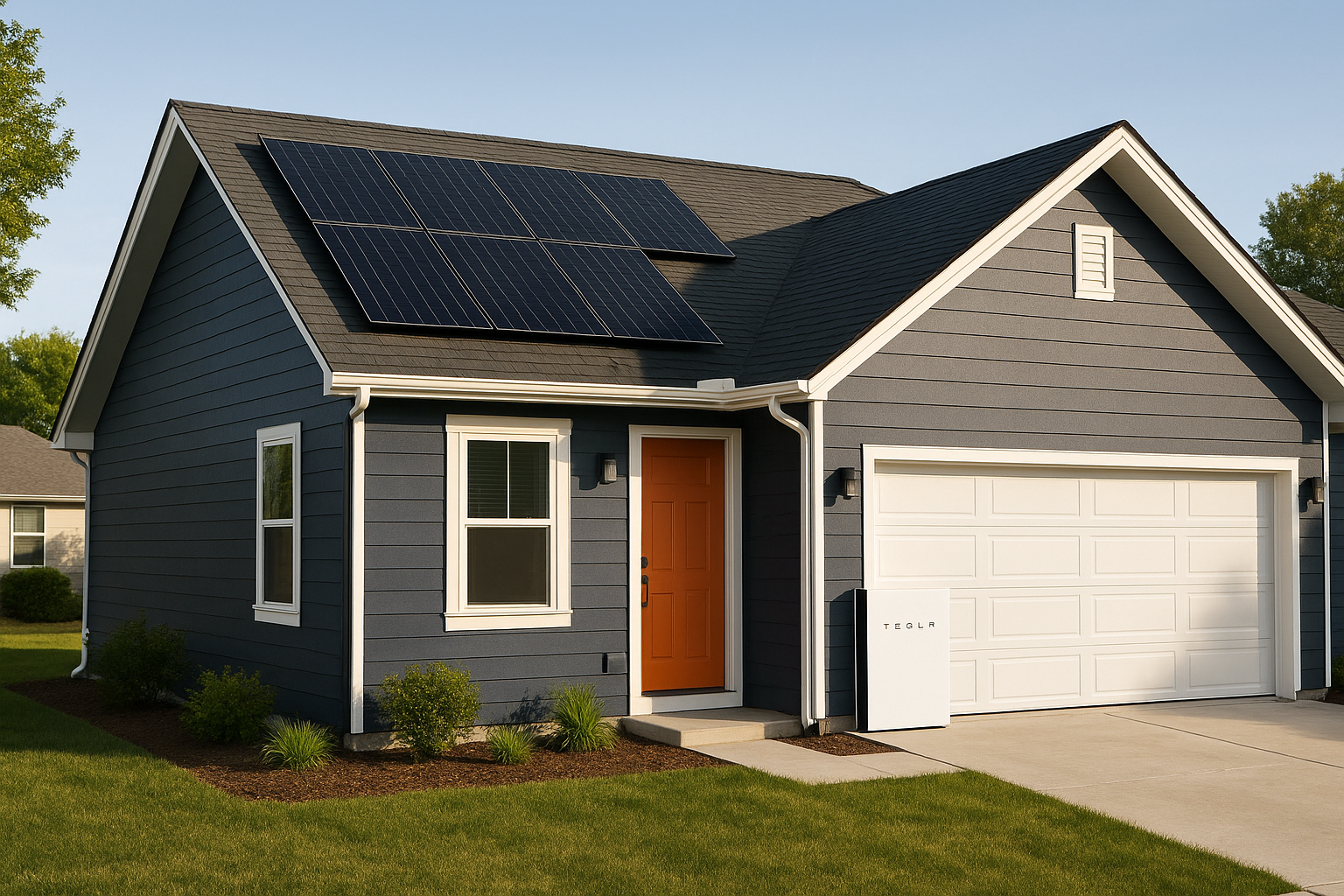
Attention Eco-Warriors and Energy Enthusiasts! Let’s dive into California’s Self-Generation Incentive Program (SGIP) battery rebates for 2026. These home energy storage batteries—not your standard AA ones—offer incredible savings and resilience, especially during blackouts. Thanks to SGIP, thousands of California homeowners are harnessing clean energy and safeguarding their power supply.
What is SGIP?
SGIP, or Self-Generation Incentive Program, is California’s leading rebate program empowering residents to install home battery systems. Its mission is to reduce grid stress, mitigate Public Safety Power Shutoffs (PSPS), and accelerate clean energy adoption statewide.
Simply put, if you want reliable home power and to reduce your energy costs, SGIP is your go-to financial friend.
2026 SGIP Battery Rebates Overview
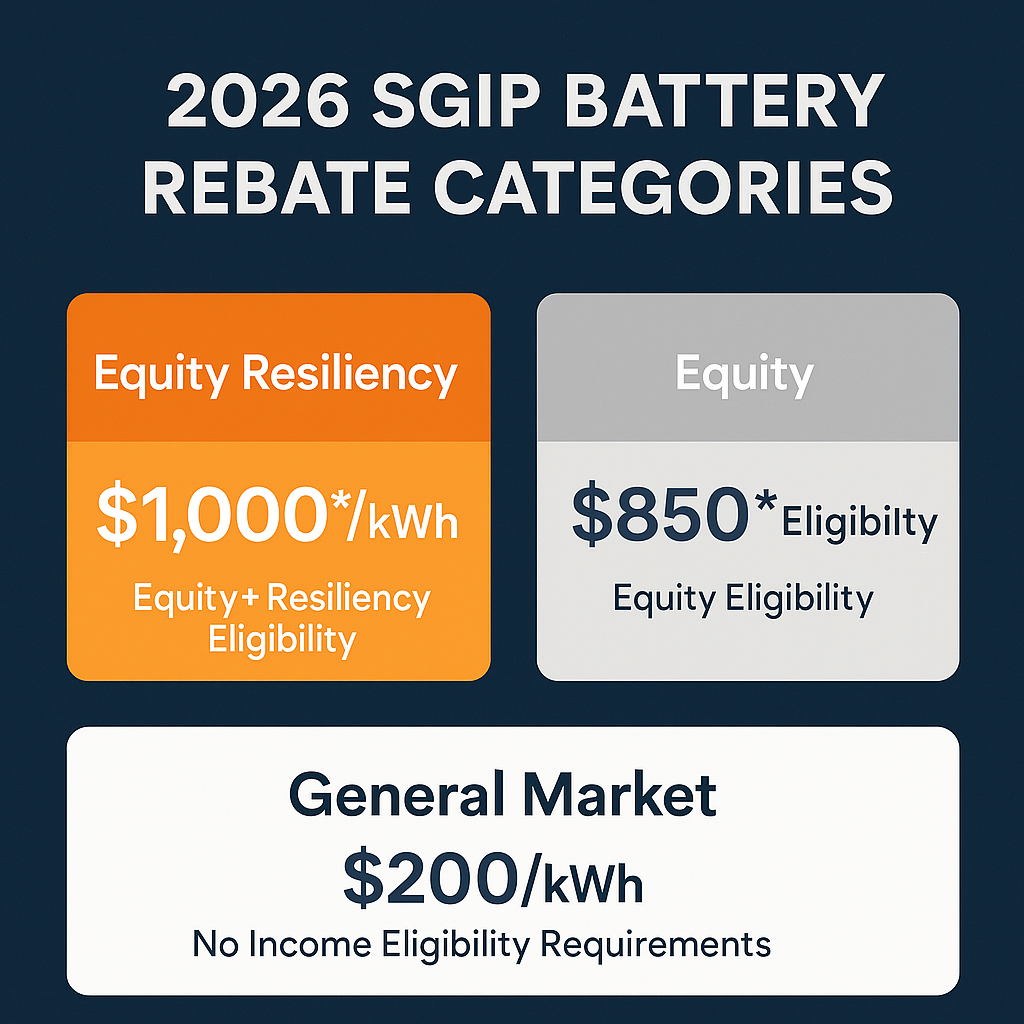
Rebates differ based on location and socioeconomic eligibility to assist those who need it most. The 2026 rebate categories are:
- Equity Resiliency Budget
- Approximately $1,000 per kWh
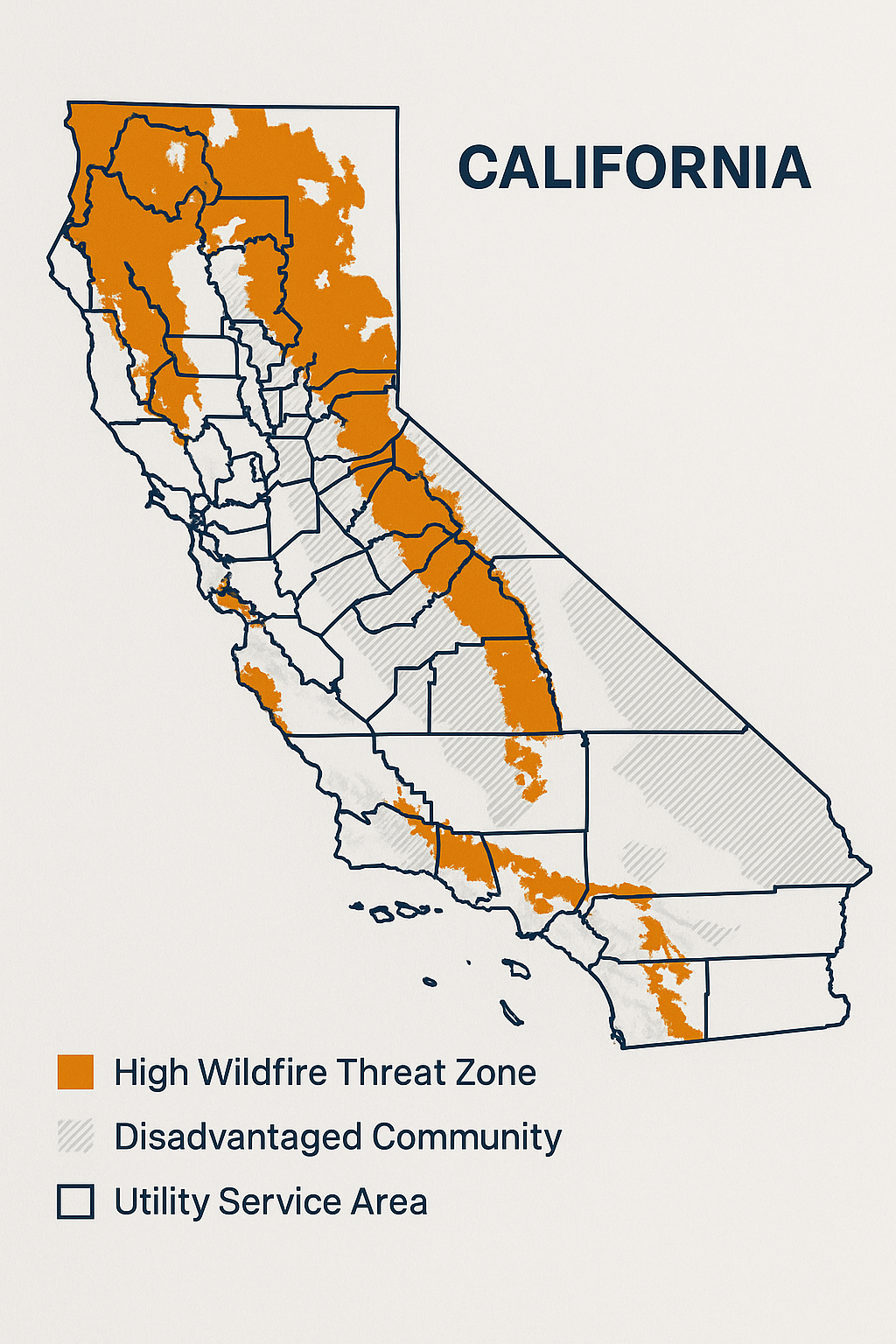
- For residents in high wildfire threat zones (Tier 2 or 3) or those affected by multiple PSPS events with income or medical vulnerabilities
- Equity Budget
- Around $850 per kWh
- For low-income homeowners in disadvantaged communities or enrolled in CARE/FERA programs
- General Market Budget
- $200 to $250 per kWh (limited funds)
- Available to most residential customers serviced by PG&E, SCE, SoCalGas, SDG&E
For example, a Tesla Powerwall with 13.5 kWh usable storage qualifies for rebates such as $13,500 under Equity Resiliency or $2,700–$3,375 under the General Market.
Who Qualifies?
- Equity Resiliency: Living in fire hazard zones or impacted by multiple PSPS events plus meeting income/medical criteria
- Equity Budget: Low-income residents in disadvantaged communities or CARE/FERA participants
- General Market: Other eligible homeowners within participating utilities
Which Batteries Qualify?
Eligible systems include new installations by certified contractors from brands like Tesla Powerwall, LG Chem RESU, Enphase IQ, Generac PWRcell, and sonnenBatterie.
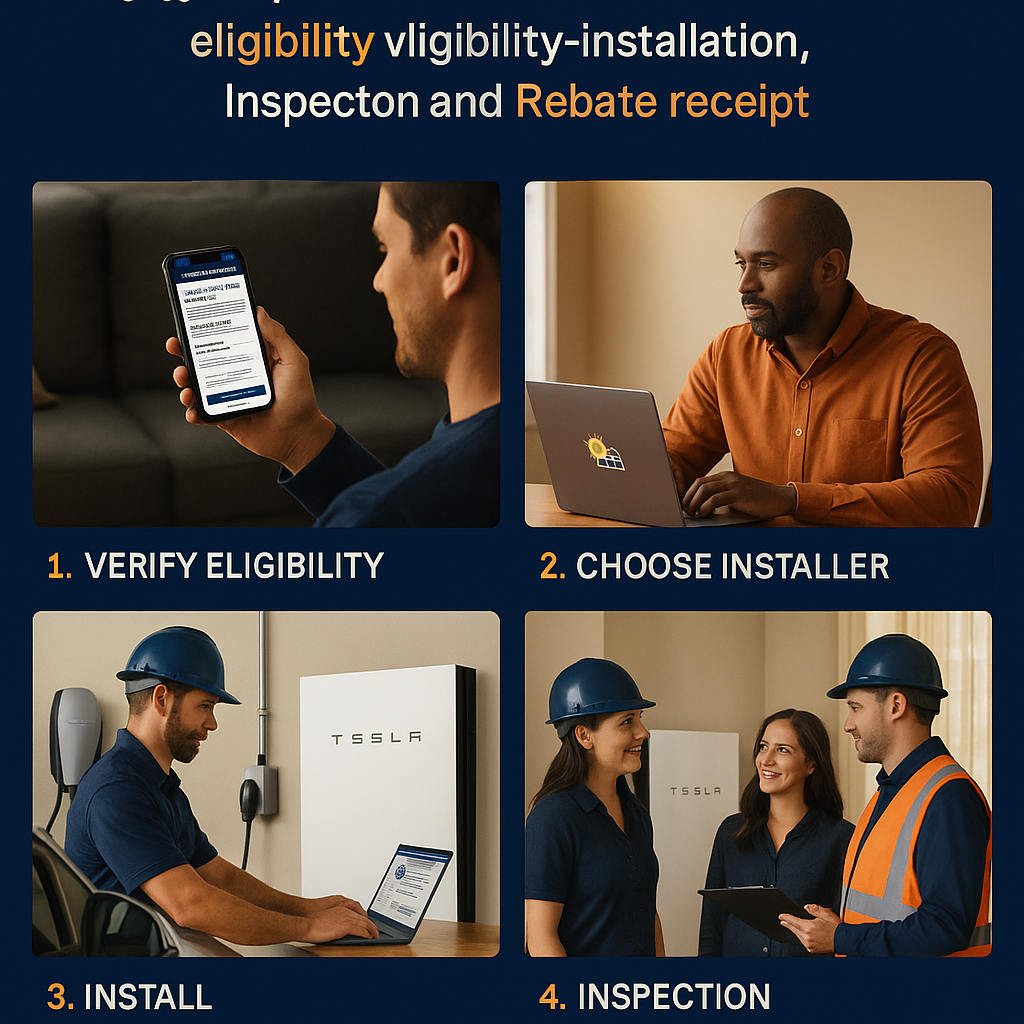
How to Apply
- Verify your eligibility with fire hazard maps and income guidelines via Self-Gen CA.
- Choose an SGIP-registered installer experienced in the program.
- Apply for the rebate (usually handled by your installer).
- Complete installation and pass required inspections within 12–18 months.
- Submit final documents to receive your rebate in 4–8 weeks.
Tips to Remember
- Be patient: The entire process can take 6–12 months.
- Plan finances: Rebates come after installation, but many installers offer financing or rebate assignment.
- Stay informed: Rebate amounts and eligibility can change; regularly visit the SGIP website.
Should You Consider SGIP in 2026?
If you live in wildfire-prone zones, have experienced PSPS events, or qualify as low-income in a disadvantaged community, SGIP battery rebates are a smart opportunity to reduce costs and increase energy resilience. Act early—funding is limited!
Useful Links
- SGIP Official Site
- California Fire Hazard Severity Zones
- Disadvantaged Communities Map
- CARE and FERA Programs
Embrace the power of batteries with California’s SGIP rebates and make 2026 the year of reliable, clean energy at home!